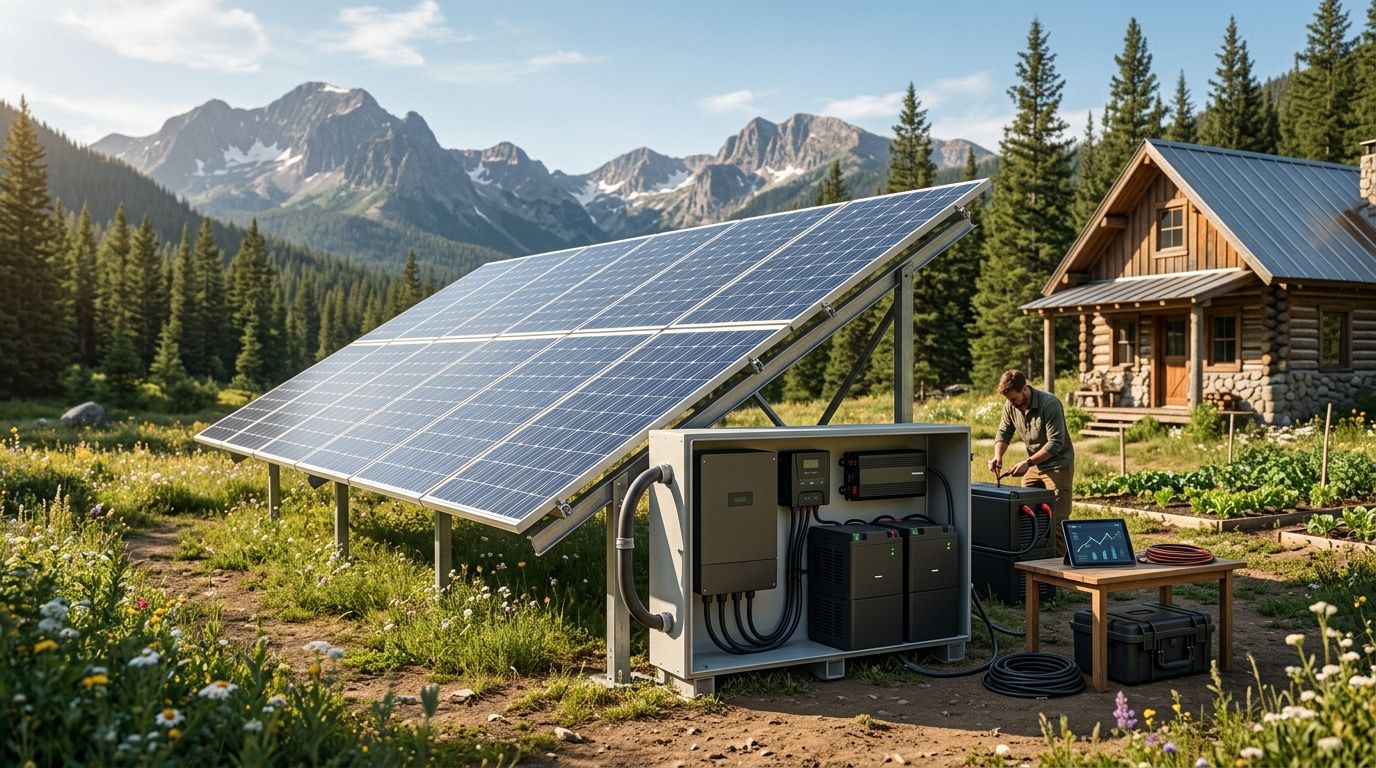
A home PV system's price in Hungary swings on system size, equipment tier, and roof complexity — there's no flat number that fits every house, and any site quoting one fixed figure for 2026 is skipping the variables that actually move it. This guide breaks down what changes the price, what system sizes fit which households, and where the real cost drivers hide.
- Napelem árak in 2026 track system size, panel and inverter quality, and roof complexity — not one fixed price.
- A 3-4 kWp system fits a low-consumption household; 8-10 kWp fits a home with a heat pump or EV charging.
- Battery storage is a separate cost layer with its own payback math, independent of panel price.
- Eu-solar prices each system per roof, because shading, pitch, and grid connection type all shift the total.
Why this matters
Most Hungarian buyers start their PV search looking for a single number, then get quoted five different prices from five installers and assume someone's overcharging. The gap usually comes from equipment tier and roof difficulty, not markup. Eu-solar prices systems per roof for exactly this reason — a flat-roof install with full sun exposure and a steep, shaded tile roof are not the same job even at identical kWp.
Understanding what drives napelem árak up or down lets you compare quotes on the right basis instead of chasing the lowest number on a page. In 2026, that distinction matters more than ever as panel and inverter tiers spread further apart in price and performance.
How much does a PV system cost in 2026?
Cost scales with system size, and system size scales with what the household actually consumes. The table below shows typical sizing bands used across residential PV installs, based on standard industry roof-area estimates of roughly 6 m² per kWp.
| System size | Typical roof area needed | Typical household fit |
|---|---|---|
| 3-4 kWp | ~18-24 m² | 1-2 person household, low daytime consumption |
| 5-6 kWp | ~30-36 m² | Average family home |
| 8-10 kWp | ~48-60 m² | Larger home, heat pump or EV charging |
These bands are a starting point, not a quote. The final napelem árak figure for any of them still depends on panel tier, inverter type, and how hard the roof is to work on.
Small system (3-4 kWp): best for low-consumption households
A 3-4 kWp system suits a one- or two-person household with modest daytime electricity use — think a small apartment-adjacent house or a retiree household home during the day. It covers a meaningful share of daytime load but won't stretch to cover a heat pump or EV on its own.
Verdict: Buy if your household's daytime consumption is genuinely low and you want the smallest workable entry point into solar in 2026.
Medium system (5-6 kWp): best for the average Hungarian family home
This is the size most residential installs in Hungary land on. It covers a family's daytime appliance load — washing machine, dishwasher, standard AC — with room to add a small battery later without oversizing the array from day one.
Verdict: Buy for most standalone family homes; it's the size where the cost-per-kWp usually hits its best value point.
Large system (8-10 kWp): best for homes with heat pumps or EV charging
A heat pump running through winter or an EV charging overnight both pull far more than a standard household load, and an 8-10 kWp array is what most installers size for that combination. The upfront napelem árak figure is higher, but so is the offset against grid consumption.
Verdict: Buy only if you already have or plan a heat pump or EV; otherwise it's oversized capacity you're paying for without using.
Why the cost of a PV system varies
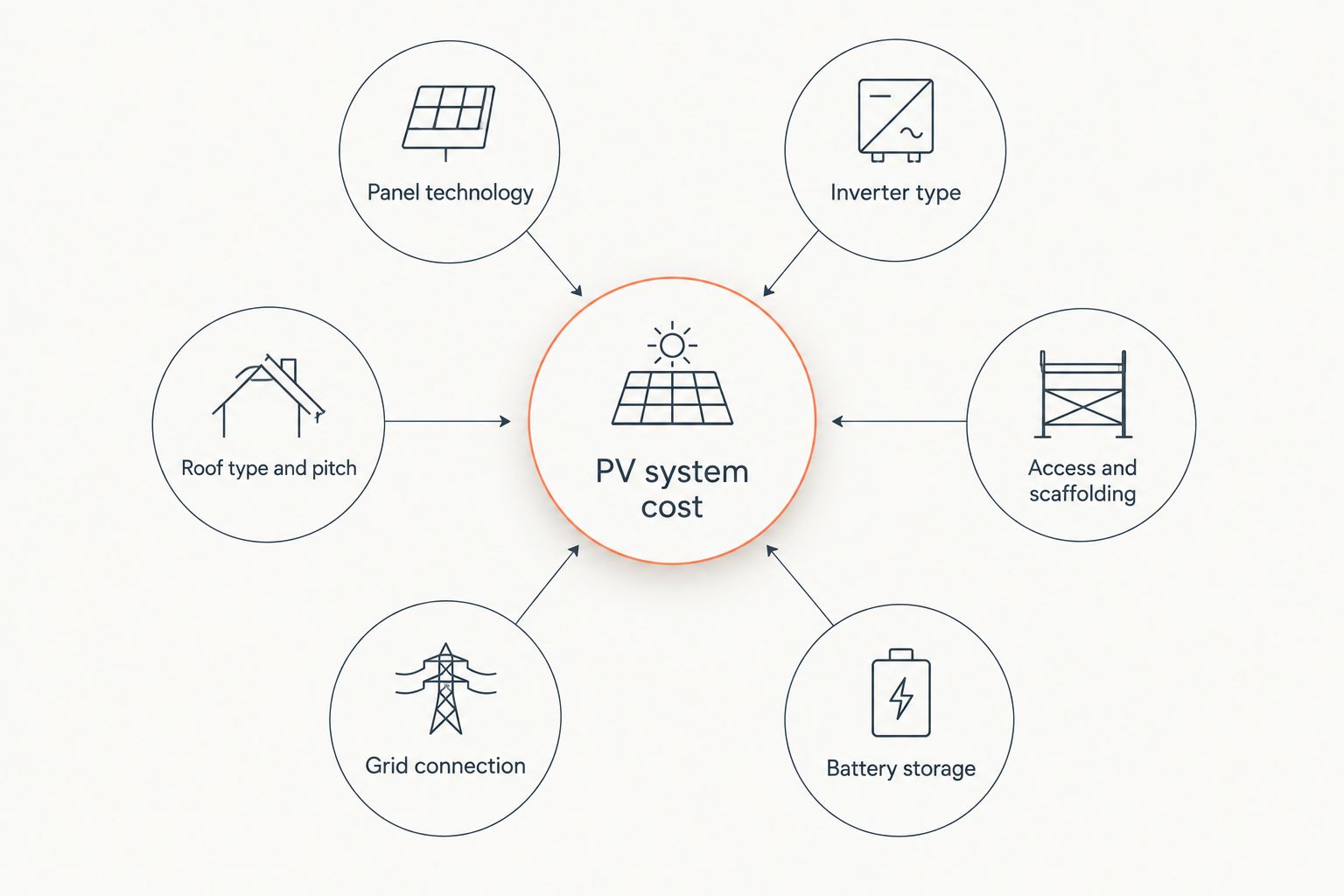
Same kWp rating, different price — this is where most quote confusion comes from. The variables below move the number independent of system size:
- Panel technology — monocrystalline panels produce more per square meter than polycrystalline, which matters on tight roofs.
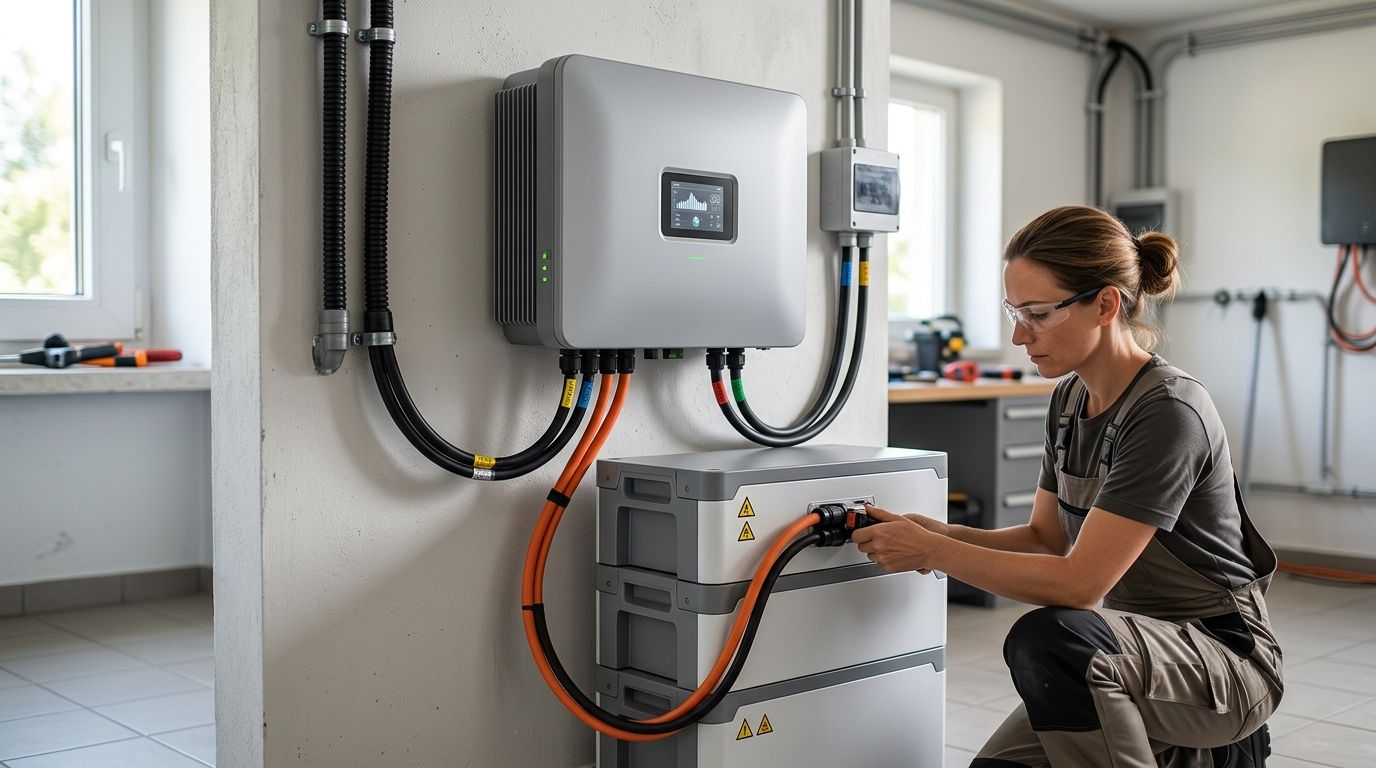
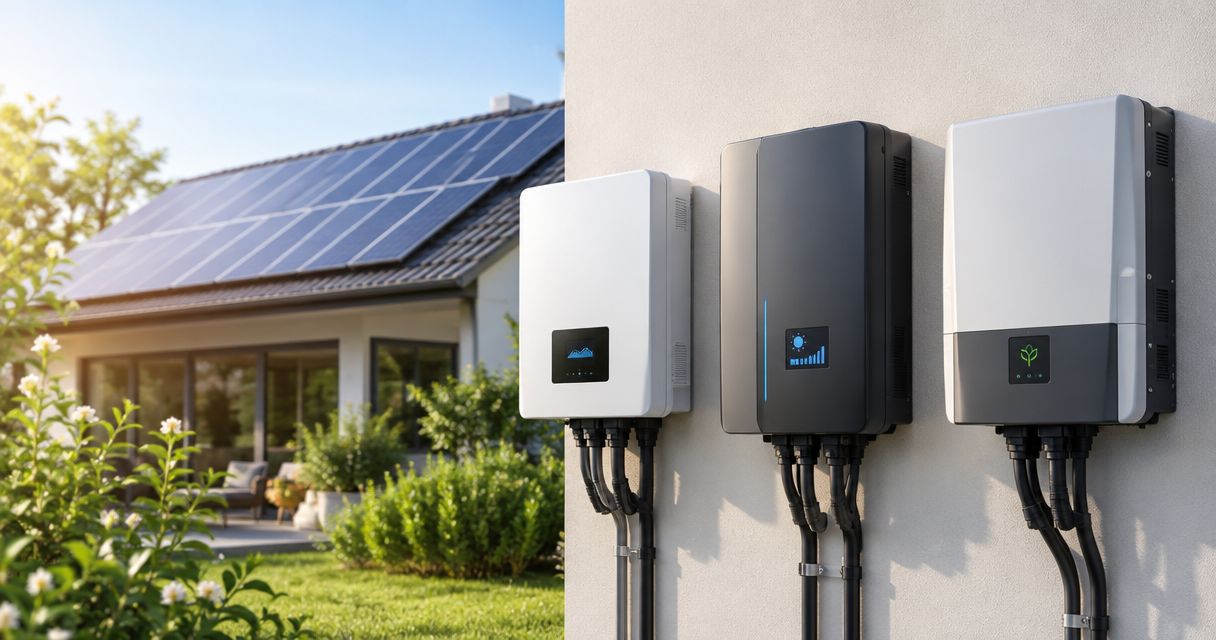
- Inverter type — a hybrid inverter (built to manage battery storage even without one installed yet) costs more than a basic string inverter.
- Roof type and pitch — tile, shingle, and flat roofs each need different mounting hardware and labor time.
- Access and scaffolding — a steep or high roof adds installation complexity that a single-story flat roof doesn't.
- Grid connection and metering type — the connection process and metering setup affect both cost and how quickly the system gets switched on.
- Battery storage (optional) — adds a distinct cost layer with its own payback timeline, separate from the panel and inverter price.
Get a Roof-Specific Quote
See what a PV system actually costs on your roof, not a generic estimate.
Is a PV system worth it in Hungary in 2026?
For most households with daytime consumption or an EV, yes — self-produced electricity offsets grid tariffs that keep rising, and the panels themselves have no moving parts to wear out quickly. The real question isn't whether solar is worth it in general, but whether your household's consumption pattern matches when the panels actually produce.
How long does a PV system take to pay back?
Payback time depends on household consumption pattern and system size, not a fixed year count that applies to every home. A household that uses most of its solar output directly during the day pays back faster than one that exports most of its production to the grid at a lower rate.
Do you need a battery with a PV system in Hungary?
Not always. A battery makes sense for households with high evening consumption or weak grid export compensation, but the panels and inverter work fine without one — a battery is an add-on decision, not a requirement.
FAQ
How much does a PV system cost in 2026?
The cost tracks system size and equipment tier, so there's no single napelem árak figure that fits every roof. A personalized quote from Eu-solar accounts for roof type, shading, and grid connection before landing on a number.
What size PV system does an average Hungarian home need?
Most Hungarian family homes fit a 5-6 kWp system. Households with a heat pump or EV charging usually need 8-10 kWp to cover the extra load.
What's the difference between monocrystalline and polycrystalline panels?
Monocrystalline panels produce more energy per square meter than polycrystalline panels. That difference matters most on roofs with limited usable area.
Does a hybrid inverter cost more than a string inverter?
Yes, a hybrid inverter typically costs more upfront because it's built to manage battery storage, even on systems installed without a battery yet.
How long do PV panels last?
Most PV panels carry manufacturer output warranties extending 20-25 years, with gradual output decline starting well before the warranty period ends.
Can a PV system fully replace my electricity bill?
Rarely entirely. Self-consumption typically covers part of daytime usage, while the grid still supplies power on cloudy days and at night.
What maintenance does a PV system need?
PV systems need minimal maintenance. Occasional panel cleaning and periodic inverter checks are usually enough to keep output stable year to year.
One last thing
The panel brand gets most of the attention in every napelem árak conversation, but the inverter and mounting hardware often move the total price more than the panels do. Two quotes with identical panel counts can land far apart once one uses a hybrid inverter and reinforced mounting for a steep roof and the other doesn't. Compare quotes line by line in 2026, not just by the bottom number.