Best overall: Renogy expandable kits. Best for hybrid deploy: EcoFlow Power Kits. Best custom pro build: Victron Energy systems. This 2026 guide ranks the best off-grid solar system kits by expandability, battery chemistry, inverter quality, and daily load match so you can pick a kit that runs when the grid does not.
- Renogy leads best off-grid solar system kits in 2026 for expandable cabin and home use.
- EcoFlow wins fast hybrid deploy; Victron wins custom 48V professional builds.
- Match kit voltage and LiFePO4 capacity to your daily kWh before you buy.
- Skip undersized 12V kits for whole-home loads above roughly 3–5 kWh per day.
- Eu-solar supports PV solar planning in Hungary when a full site design is required.
Why this matters
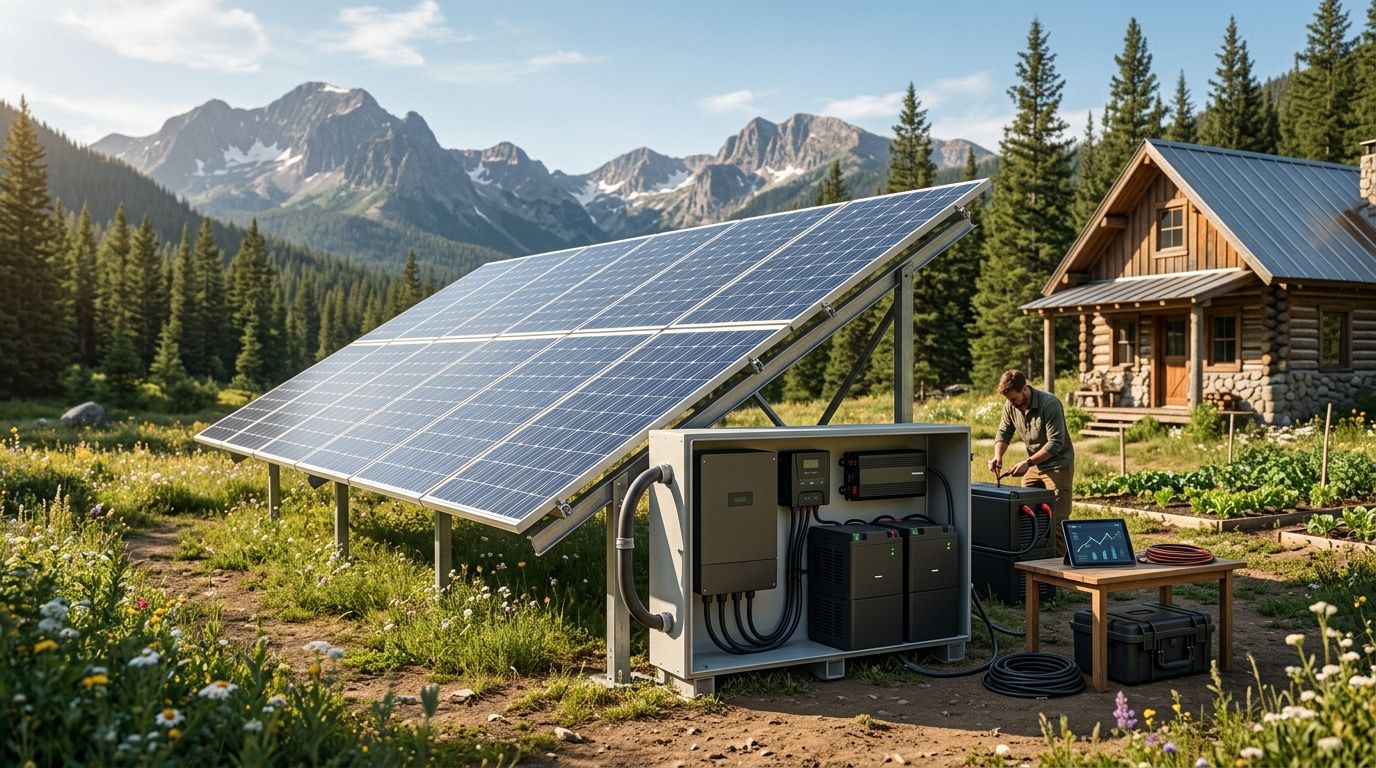
An off-grid kit is not a patio gadget. It is the power plant for a cabin, farm building, workshop, or backup island that must run lights, pumps, fridges, and tools without a utility feed. Buy the wrong voltage or battery chemistry and you strand money in a system that browns out at dusk.
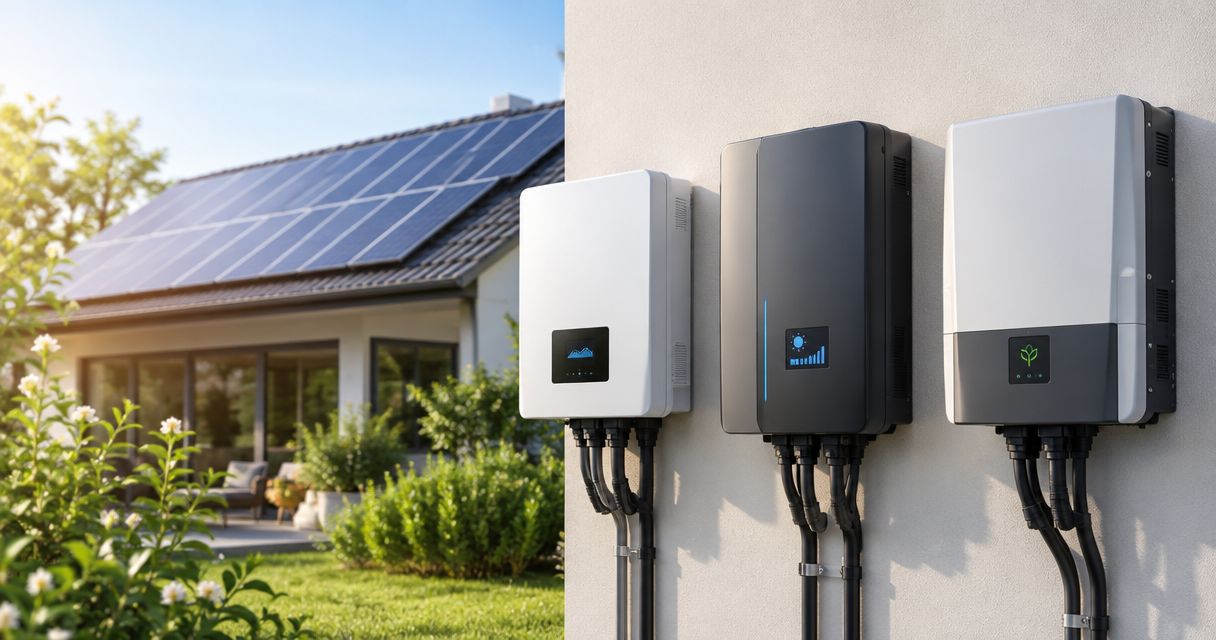
In 2026 the market splits into plug-and-play portable stations, modular cabin kits, and fully custom 48V stacks. The best off-grid solar system kits share one trait: the panel, charge controller, inverter, and battery are sized as one system, not four leftover parts. If you later need a full roof array or site survey in Hungary, Eu-solar handles PV solar planning on the ground.
What makes the best off-grid solar system kits
Judge every kit on these criteria before you open a product page:
- Daily energy match — continuous kWh output must cover your real load, not a marketing peak watt number
- System voltage — 12V for tiny loads; 24V for mid cabins; 48V for whole-home off-grid in 2026
- Battery chemistry — LiFePO4 with published 3,000–6,000 cycle life beats aging lead-acid for daily cycling
- Inverter quality — pure sine wave, surge headroom for pumps and compressors, clear low-voltage cutoffs
- Expandability — extra battery bays, parallel ports, and open charge-controller headroom
- Monitoring and support — app or meter data you can trust, plus parts that stay available for years
Best off-grid solar system kits at a glance
| Kit | Best for | Standout feature | Key limitation |
|---|---|---|---|
| Renogy expandable kits | Cabins and small homes | Modular panels, controllers, LiFePO4 banks | Needs careful string and cable design |
| EcoFlow Power Kits | Fast hybrid and mobile deploy | Integrated hub, rapid setup | Ecosystem lock-in on extras |
| Bluetti home kits | Plug-and-play whole modules | All-in-one battery + inverter blocks | Less open for third-party parts |
| Victron Energy systems | Custom professional builds | Best-in-class monitoring and mix-and-match | Higher design skill required |
| Goal Zero Yeti kits | Weekends and small loads | Simple portable station workflow | Not a whole-home 48V platform |
| Jackery solar generator kits | Portable budget trips | Lightweight panel + station pairs | Limited continuous household power |
1. Renogy expandable kits: best off-grid solar system kits for cabins
Renogy built its name on matched panels, PWM/MPPT controllers, inverters, and LiFePO4 banks you can grow over seasons. A typical cabin path starts with a 12V or 24V bank and steps toward larger arrays without throwing out the charge controller on day one.
You get clear wiring diagrams, widely stocked cables and mounts, and kit SKUs that map to real off-grid loads instead of pure camping marketing. For a fixed shed or holiday house that will add loads later, Renogy is the default expandable stack in 2026.
Renogy pros:
- Modular path from small 12V/24V up toward larger banks
- Broad accessory and mount ecosystem
- LiFePO4 options with transparent capacity ratings
- Strong documentation for DIY-capable owners
Renogy cons:
- String sizing and cable runs still need care
- Entry kits can under-serve full-home 5–15 kWh daily loads
- Support quality varies by seller region
Best for: fixed cabins and small homes that will expand panel and battery capacity over 2026–2028.
Verdict: Buy if you want a modular cabin platform and will size daily kWh honestly.
2. EcoFlow Power Kits: best for hybrid and rapid deploy
EcoFlow Power Kits package hub, batteries, and panels into a system you can stand up in hours, not weekends. The pitch is hybrid: run off-grid when you must, tie into shore or generator power when you can, and monitor everything from one app.
That speed matters for pop-up sites, mobile homes, and renovations where the building is not ready for a custom board. Pair the kit with a clear load list and you avoid the classic mistake of buying a sleek hub that still cannot start a well pump.
EcoFlow pros:
- Fast physical deploy and clean hub layout
- Strong app monitoring for non-electricians
- Hybrid input options for generator or grid assist
- Battery blocks that parallel without custom busbars
EcoFlow cons:
- Add-ons favor the EcoFlow ecosystem
- Peak marketing watts can outshine continuous ratings
- Long-term third-party repair paths are thinner than open stacks
Best for: hybrid sites, mobile bases, and owners who value setup speed over fully open hardware.
Verdict: Buy for rapid hybrid deploy; Hold if you need fully open 48V component shopping.
3. Bluetti home kits: best all-in-one plug-and-play
Bluetti packs inverter, charger, and LiFePO4 into dense modules aimed at whole-room or small-home backup that can live off-grid with enough panel input. The appeal is fewer separate boxes and fewer chances to mis-wire a charge controller.
For buyers who will not design a custom DC bus, Bluetti reduces assembly risk. Read continuous output and PV input ceilings carefully — all-in-one blocks hit a wall when you later want a different inverter brand. If battery chemistry and storage depth are your main research track, compare formats in our home solar battery storage systems guide before you lock a module size.
Bluetti pros:
- Minimal separate components
- LiFePO4 chemistry in mainstream kits
- Clear portable-to-home product ladder
- App-level controls for charge limits
Bluetti cons:
- Harder to mix third-party inverters and batteries
- Expansion often means another Bluetti block, not any cell brand
- Heavy units need planned placement and airflow
Best for: owners who want sealed modules and will stay inside one ecosystem.
Verdict: Buy for simple all-in-one; Skip if you demand fully open component swaps.
4. Victron Energy systems: best custom professional off-grid builds
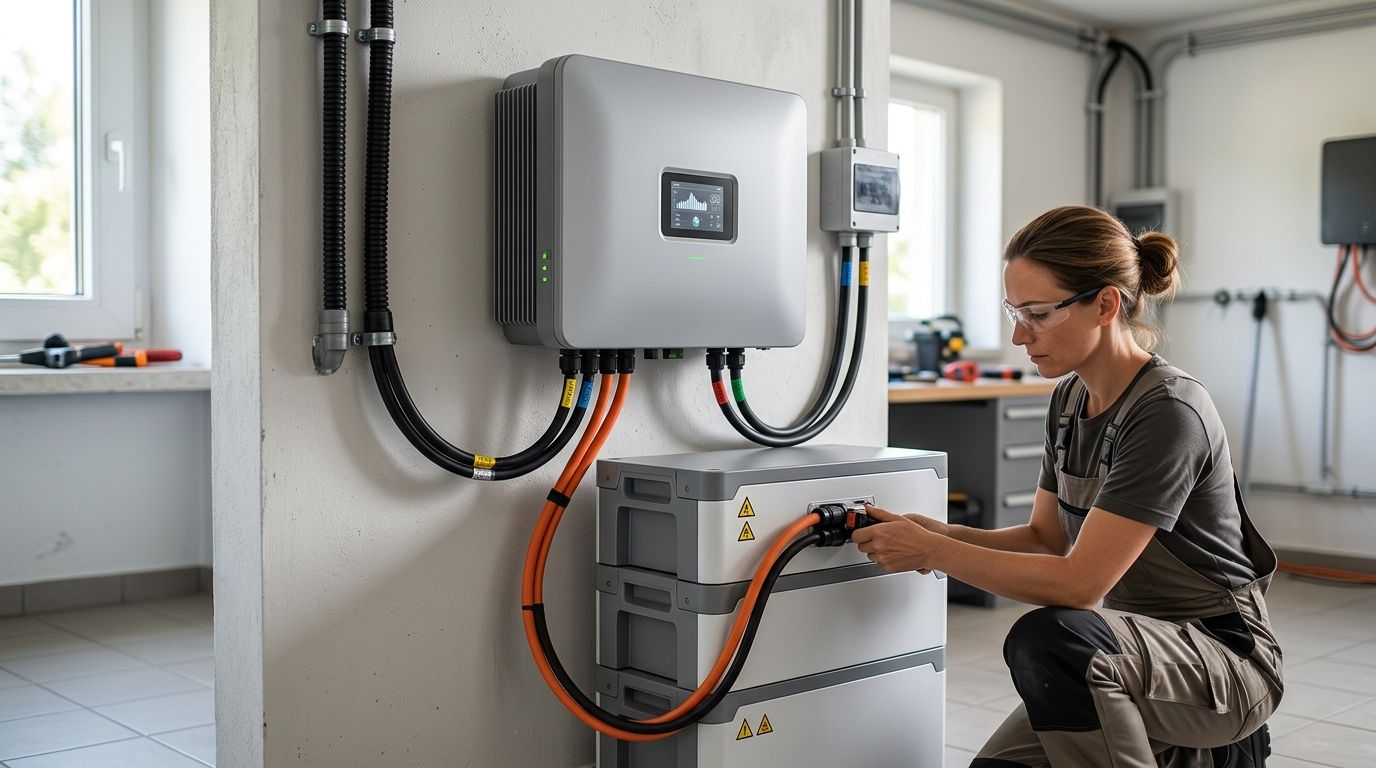
Victron is the pro stack: Multiplus/Quattro inverter-chargers, SmartShunt and Cerbo monitoring, MPPT controllers, and batteries you specify to the load. It is not a single carton labeled “cabin kit,” but it is how serious off-grid homes and boats get built in 2026.
You pay in design time. You gain a system that reports state of charge accurately, handles generator auto-start logic, and scales to true 48V whole-home architecture. When inverter topology is the deciding factor, read the side-by-side notes in best solar inverters compared before you freeze the bill of materials.
Victron pros:
- Industry-grade monitoring and data honesty
- Mix-and-match MPPTs, inverters, and battery brands
- Excellent generator and assist integration
- Proven in harsh marine and remote installs
Victron cons:
- Steeper learning curve and commissioning time
- Easy to overspend without a load audit
- Not a one-box beginner kit
Best for: custom professional builds, whole-home 48V systems, and sites that need generator logic.
Verdict: Buy when you have a designer or the skill to commission it; Hold for pure beginner DIY.
5. Goal Zero Yeti kits: best for weekends and small loads
Goal Zero pairs Yeti power stations with foldable or briefcase panels for camping, events, and light cabin use. Setup is obvious: unfold panels, plug in, run USB and AC loads from the station.
It is the right tool for small continuous loads — lights, laptops, a compact fridge — not a heat pump. Treat it as a portable island, not a house plant. In 2026 it still wins on simplicity for intermittent use.
Goal Zero pros:
- Extremely simple user path
- Durable portable panel options
- Good for shared family or site-crew use
- Clear upgrade path inside the Yeti line
Goal Zero cons:
- Not a 48V whole-home architecture
- Cost per stored kWh trails modular LiFePO4 banks
- Limited for well pumps and large inductive loads
Best for: weekends, small cabins, and crews who move the system often.
Verdict: Buy for portable small loads; Skip as a primary home off-grid plant.
6. Jackery solar generator kits: best portable budget option
Jackery kits bundle a power station with matching solar input for trips and light backup. Weight and price-to-portability are the draw. Continuous household circuits are not.
Use Jackery when the job is phones, cameras, a CPAP, or a mini-fridge on a weekend. Do not use it as the sole answer for a family home drawing 5–15 kWh per day year-round.
Jackery pros:
- Lightweight stations and foldable panels
- Straightforward retail availability
- Fine for intermittent portable power
- Low setup skill barrier
Jackery cons:
- Weak continuous power for home circuits
- Expansion ceiling arrives fast
- Not aimed at permanent 48V off-grid boards
Best for: portable budget trips and light emergency kits.
Verdict: Buy for travel loads; Skip for permanent whole-home off-grid.
How we ranked
Rankings follow the six criteria above: daily energy match, voltage class, LiFePO4 cycle life in the 3,000–6,000 band, pure-sine inverter behavior, expandability, and monitoring honesty. Marketing peak watts lost to continuous ratings every time. Closed ecosystems lost points when third-party service would matter five years out. Open Victron-style stacks gained points for professional sites even when they are harder on day one.
No lab theater. This 2026 order reflects how kits actually get specified for cabins, hybrid sites, and permanent homes — the same questions Eu-solar hears when buyers plan PV solar around real Hungarian roofs and outbuildings.
Which off-grid solar system kit should you choose?
Default pick: Renogy if you want the best off-grid solar system kits path for a cabin you will expand. Choose EcoFlow when setup speed and hybrid inputs matter more than open parts. Choose Victron when the build is permanent, 48V, and professionally commissioned. Choose Bluetti for sealed all-in-one modules. Choose Goal Zero or Jackery only for small portable loads.
Map every appliance’s wattage and hours first. A fridge that runs 8 hours is a different system than a weekend phone charge. If your daily load sits in the 5–15 kWh home band, start at 24V or 48V LiFePO4 and ignore pretty 12V marketing kits.
Plan your off-grid array
Talk through PV solar sizing for Hungarian sites with Eu-solar.
FAQ
What are the best off-grid solar system kits in 2026?
Renogy leads expandable cabin kits, EcoFlow leads hybrid rapid deploy, and Victron leads custom 48V professional builds. Match the kit class to your daily kWh, not the brand ad.
Is a 12V off-grid kit enough for a home?
No for most whole homes. 12V suits tiny loads; 24V suits mid cabins; 48V is the preferred whole-home voltage in 2026 for efficient cable runs and inverter headroom.
How many kWh do I need off-grid each day?
Many small homes land between 5 and 15 kWh per day once lights, refrigeration, pumps, and electronics are counted. Audit each appliance’s watts and hours before you buy panels or batteries.
Are LiFePO4 batteries worth it in off-grid kits?
Yes for daily cycling. LiFePO4 packs commonly publish 3,000–6,000 cycle life, which outlasts lead-acid under deep daily use and keeps usable capacity more stable.
Can I expand an off-grid solar kit later?
Renogy and Victron-style systems expand cleanly when the charge controller and bus are sized with headroom. Closed all-in-one blocks often force another same-brand module instead of any battery you choose.
Do I need a pure sine wave inverter off-grid?
Yes for fridges, tools, pumps, and most electronics. Modified sine units create heat, noise, and failure risk on inductive and sensitive loads.
Is EcoFlow better than Bluetti for off-grid?
EcoFlow fits hybrid and fast deploy better; Bluetti fits sealed all-in-one modules. Neither replaces a custom Victron 48V board for a full permanent home.
When should I hire a solar designer instead of buying a kit?
Hire help when loads exceed a few kWh per day, when you need roof structural review, or when generator auto-start and code-compliant boards matter. Eu-solar can support PV solar planning in Hungary for those sites.
One last thing
The quiet killer of off-grid projects is cable loss and undersized charge controllers, not panel brand snobbery. A clean 48V design with honest continuous inverter ratings will outrun a flashy portable station every winter night in 2026. Size the wire, the MPPT, and the battery hours first — then pick the kit name that fits that math.
Related guides
Eu-solar stays focused on practical PV solar outcomes: the kit that keeps power on is the kit that matched your load on paper before a single panel left the box.